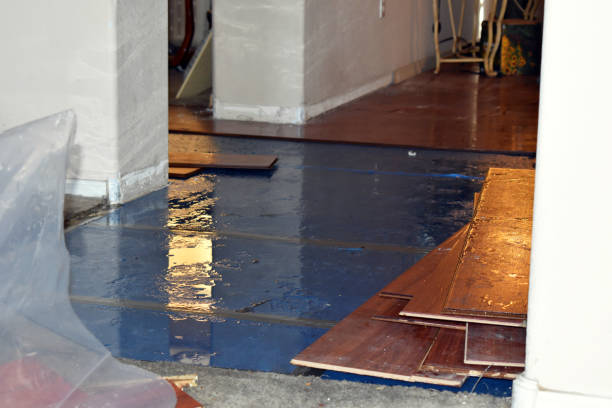
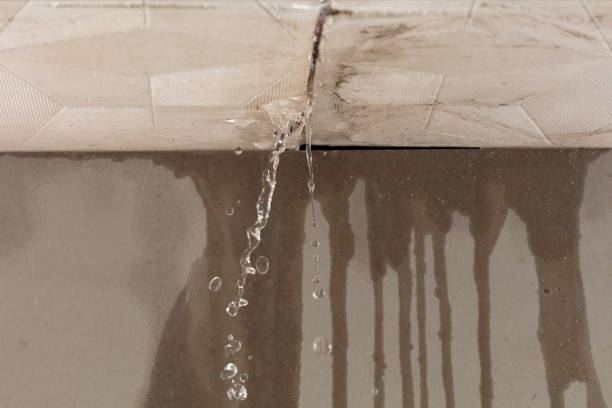
High-wind storms push water into places a normal rain never reaches. Our Storm Water Damage Restoration process is built to trace and address every entry point, not just the obvious one.
Call +1-844-833-1325 Now
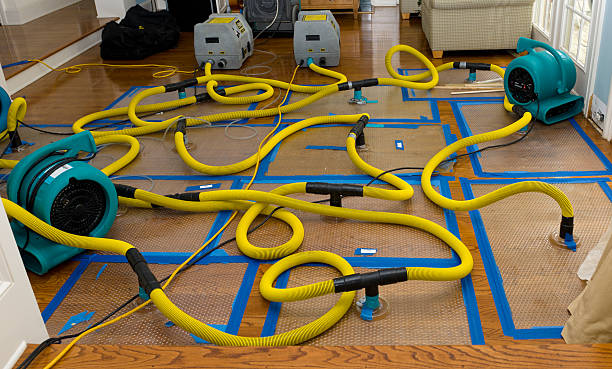
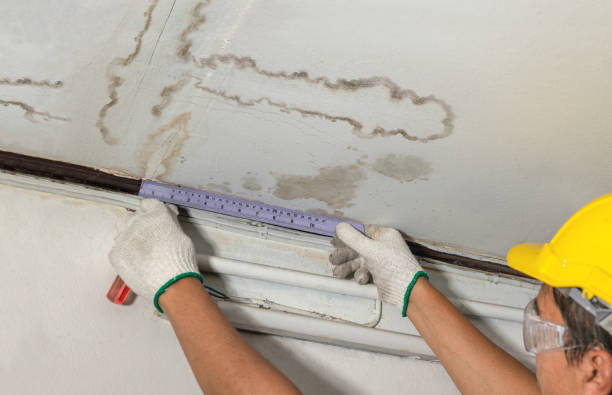
Storm events often bring more than one water source into a property at once, so we treat multi-point assessment as standard, not an upsell for complicated cases.
We'd rather explain the storm water damage restoration process in plain terms upfront than have you find out the hard way what a shortcut costs later.
We built this list around what typically goes wrong when storm water damage restoration gets handled by a generalist rather than a specialist.
None of these standards are unique to us in theory, but they're worth confirming before you let anyone start storm water damage restoration work on your property.

Storm damage often has more than one water entry point, and we look for all of them.
Crews scale up during widespread storm activity instead of leaving customers in a long queue.
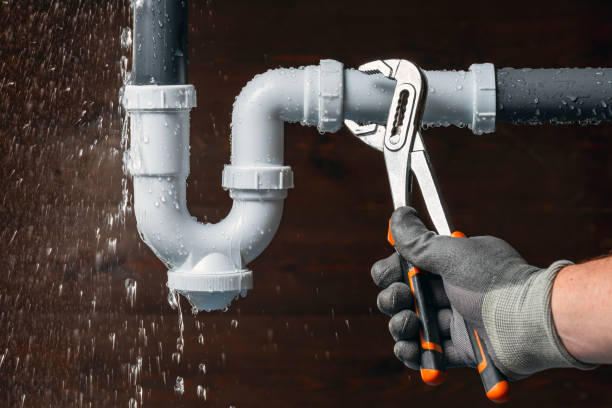
We can stabilize an active leak point before the complete assessment is even finished.
Storm claims often face extra scrutiny, so our documentation is built to hold up.
We don't treat storm water damage restoration as a single generic task — each part of the process below gets its own specific approach.

Wind-driven rain often enters through roof damage invisible from the ground, so we check the attic directly.
We check areas a normal rain wouldn't reach, since wind pressure changes how water enters a structure.
Temporary tarping stops ongoing intrusion while the full restoration scope gets assessed.
Debris removal happens alongside water extraction when a storm brings both into the property.
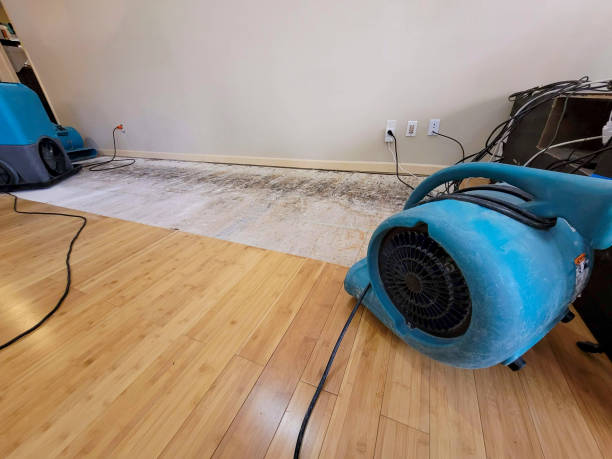
We deploy equipment sized to the actual square footage affected by the storm, not a single-room setup.
Once storm damage is fully dried and verified, reconstruction covers roofing, drywall, and flooring repair.
Four steps, no guesswork, from your first call to a verified storm water damage restoration result.
A real person answers, asks a few fast questions, and routes the nearest available crew.
Local staging is what makes rapid arrival possible, rather than a promise with nothing behind it.
The assessment sets the whole plan, so we don't rush it even when the visible damage looks minor.
Work continues until the job meets our documented completion standard, verified before we call it done.


"Emergency tarping stopped the intrusion the same day they arrived."
Denise M., Stumpy Point"Our office had wind-driven rain come through window seals and they extracted it before it spread further."
Angela F., Stumpy Point"They found water entry points in two different spots, not just the obvious one."
Melissa C., Stumpy Point"Tarping went up within hours, well before the full restoration crew arrived."
Owen D., Stumpy PointThese are the questions we hear most often about storm water damage restoration, gathered from real calls, not a generic template list.

Our storm water damage restoration coverage spans 27978, with trucks positioned to reach any address in the service area quickly.
Whether your address sits in the city core or a neighboring zip code, the same storm water damage restoration response standard applies.